Tin ngành
Việt Nam đặt mục tiêu hoàn thiện hệ thống thông tin đất đai quốc gia vào năm 2027
(giờ Việt Nam)
Tóm tắt AI
Chính phủ đẩy mạnh chuyển đổi số ngành đất đai, đặt mục tiêu hoàn thành cơ sở dữ liệu quốc gia vào năm 2026 và vận hành toàn diện hệ thống thông tin đất đai vào cuối năm 2027.
Bản dịch AI
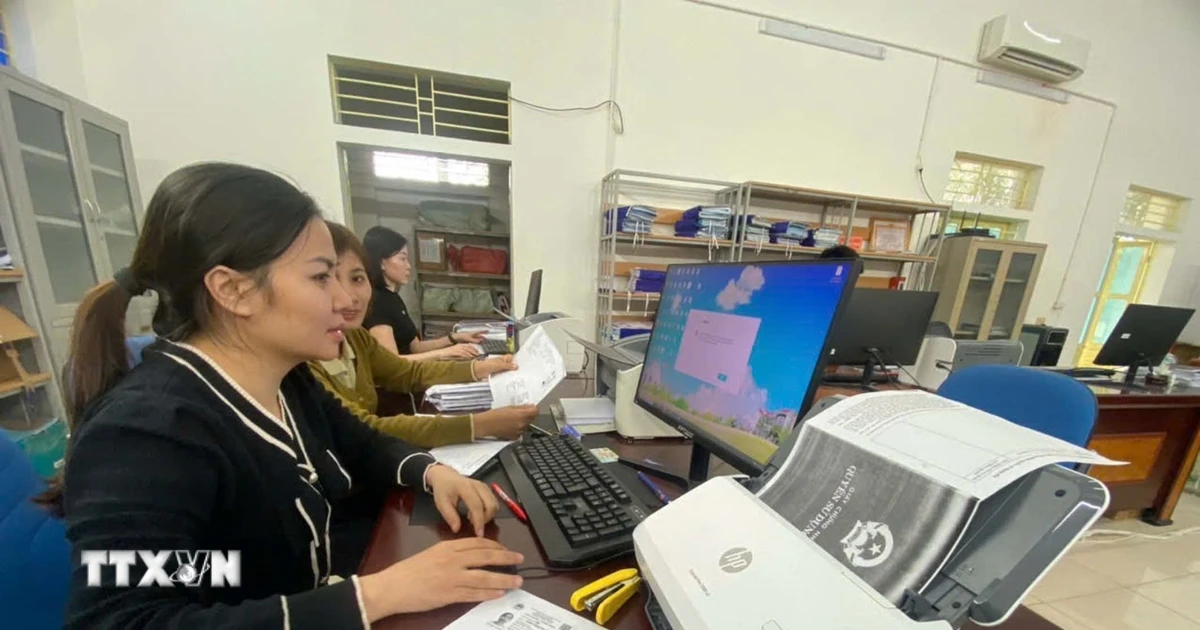
The Government has issued Resolution No. 229/NQ-CP, enacting the Government's Plan to implement Resolution No. 21-NQ/TW dated July 28, 2026, of the 14th Party Central Committee regarding the viewpoints and orientation for amending the Land Law and related laws, as well as Plan No. 07-KH/TW dated July 28, 2026, of the Politburo on implementing Resolution No. 21-NQ/TW (the Plan).
The purpose and requirements of the Plan stipulate that the development and amendment of the Land Law and related laws must be carried out synchronously and consistently, ensuring the inheritance of still-relevant regulations, while strengthening consultations with experts, scientists, citizens, the business community, and affected parties to ensure policy quality and the feasibility of legal documents.
The implementation process must closely link institutional improvement with administrative reform, digital transformation, organizational restructuring, improving the quality of cadres and civil servants, and ensuring implementation resources; promoting the proactiveness and creativity of localities based on strengthening inspection and supervision by the Central Government.
Enhance openness, transparency, and the application of digital technology in land management and use; ensure the right of access to information for citizens and businesses; and improve the effectiveness of supervision by the National Assembly, People's Councils, the Vietnam Fatherland Front, socio-political organizations, press agencies, and the public regarding the implementation of the Resolution.
To achieve the goals set out in Resolution No. 21-NQ/TW and Plan No. 07-KH/TW, in the coming time, alongside regular tasks, the Government requires ministries, sectors, and localities to concretize and decisively organize the implementation of these tasks.
Propagate, disseminate, and unify awareness regarding land management and use within the socialist-oriented market economy.
The Government requires ministries, ministerial-level agencies, and People's Committees of provinces and centrally-run cities to be responsible for organizing the study, learning, grasping, and developing plans to implement the Resolution in accordance with the functions, tasks, and practical conditions of each agency and locality; ensuring synchronous, consistent, and effective implementation from the central to the local level.
Strongly innovate the content and methods of propaganda, focusing on citizens and businesses; strengthen the application of digital platforms, multimedia communication systems, press, and publishing to timely disseminate new land policies and guidelines.
Focus propaganda on clarifying the core contents of the Resolution, especially the principle that land belongs to the entire people with the State as the representative owner and unified manager; the rights and responsibilities of the State as the representative owner; the rights and obligations of land users; the requirement for economical, efficient, and sustainable land use; and promoting land resources for development while ensuring social equity, national defense, security, environmental protection, and the legitimate interests of land users.
Promote the dissemination and education of land laws for cadres, civil servants, and public employees directly involved in land management; focus on specialized training and fostering for personnel working in law-making, planning, compensation, support, resettlement, land allocation, land leasing, land valuation, land registration, and the resolution of complaints, denunciations, and land disputes.
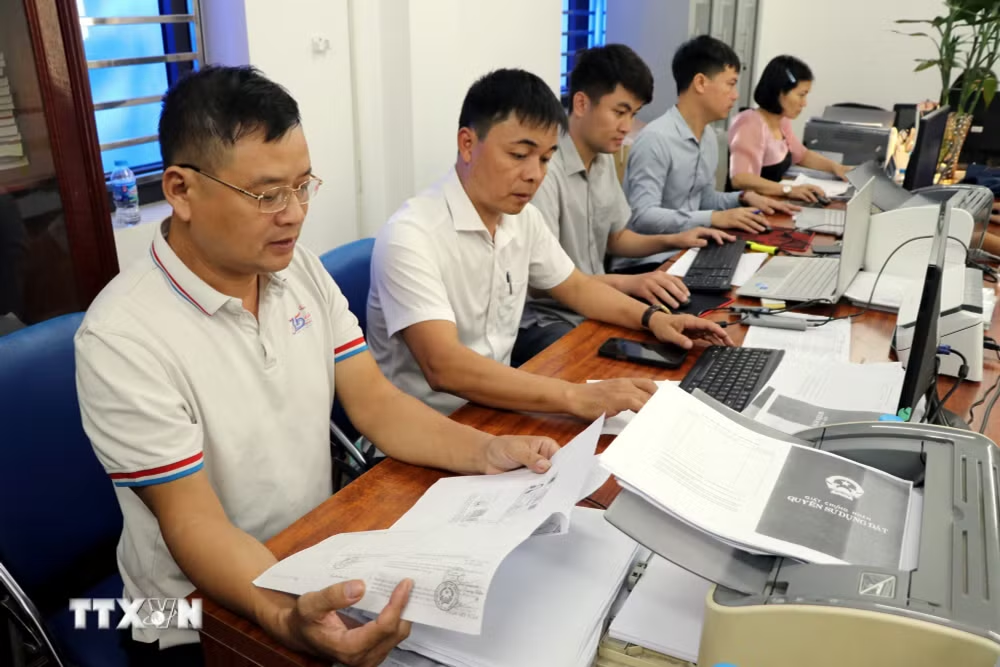
Improve institutions and policies for land management and use in synchronization with the institutions for developing a socialist-oriented market economy.
Ministries, sectors, and localities must urgently conduct a comprehensive review of the 2024 Land Law and related legal documents; fully assess difficulties and obstacles during the implementation process; and clearly identify contents that need to be amended, supplemented, or abolished to ensure the consistency of the legal system.
Focus on developing the draft Land Law (amended) according to the schedule assigned by competent authorities; ensure full institutionalization of the Party's guidelines on reforming planning, land allocation, land leasing, land use purpose conversion, land acquisition, compensation, support, resettlement, land pricing, land finance, land use rights market, management of agricultural land, multi-purpose land, and land for national defense and security combined with production and economic activities, as well as mechanisms to handle historical land-related limitations and obstacles.
Promote administrative reform and digital transformation.
The Plan aims to promote digital transformation in the field of land management, thereby fundamentally innovating the state management method of land towards modern land governance that is open, transparent, and based on digital data; building a unified land management system from the central to local levels; promoting decentralization and delegation of power associated with strengthening inspection, supervision, and power control; and creating maximum convenience for citizens and businesses in accessing land and performing administrative procedures. By the end of 2027, the National Information System and National Database on Land will be basically completed.
Ministries, sectors, and localities shall continue to review and simplify administrative sequences and procedures regarding planning, land acquisition, compensation, support, resettlement, land allocation, land leasing, land use purpose conversion, land pricing, land registration, issuance of land use right certificates, and other related administrative procedures; minimize intermediate stages, eliminate outdated regulations, and reduce processing time and compliance costs for citizens and businesses.
Build and operate a centralized, unified, synchronous, modern, and multi-purpose National Land Information System; ensure connectivity, interoperability, and data sharing with the National Population Database, specialized databases on planning, taxation, notarization, banking, real estate, etc.; fully and timely update land fluctuations, ensuring the requirements of being "accurate, sufficient, clean, live, unified, and shared" to serve state management, policy planning, and public service provision.
Prioritize the allocation of resources to ensure that by the end of 2027, the work of cadastral mapping, cadastral record keeping, and building land databases is basically completed.
Strongly apply science, technology, innovation, digital transformation, and artificial intelligence in land management.
Innovate inspection, examination, and supervision work; prevent and combat corruption and negativity; and improve the efficiency of resolving land-related disputes, complaints, and denunciations.
Establish a mechanism for regular and effective inspection and supervision in land management and use; timely detect, prevent, and strictly handle violations of the law; improve the efficiency of resolving complaints, denunciations, and land disputes, contributing to maintaining political stability, social order and safety, and strengthening public trust.
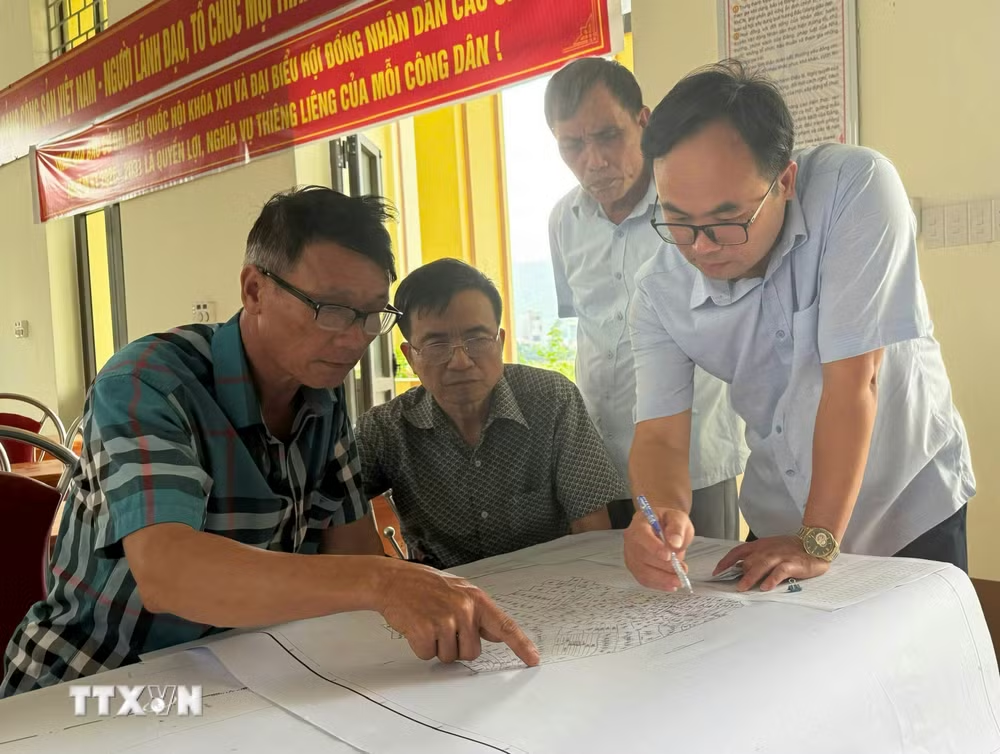
Focus on fundamentally resolving long-standing limitations and obstacles in land management and use.
Conduct a comprehensive review of the current status of land management and use originating from state-owned agricultural and forestry farms; clearly identify areas that are not invested in, contracted to the wrong subjects, encroached upon, occupied, or disputed; clearly distinguish the area continued to be used by agricultural and forestry companies from the area handed over to localities for management; definitively resolve the situation of overlapping, disputes, and complaints; develop plans for land acquisition to hand over to localities for management, and carry out land allocation and leasing according to regulations, suitable to the conditions of each locality, region, and area; and issue Land Use Right Certificates according to regulations.
In addition, review the land fund of redundant agencies and headquarters, land after equitization and divestment, stagnant and prolonged projects; and land of production facilities and public service units that have relocated from large urban centers. Establish a mechanism to manage, exploit, and use this land fund effectively, ensuring openness and transparency in land acquisition, allocation, leasing, auction, and bidding according to planning; resolutely recover land areas used for the wrong purpose, left fallow, wasted, or slow to be put into use; while simultaneously implementing synchronous policies to support residential land, production land, and sustainable livelihoods for ethnic minorities and mountainous areas according to national target programs.

Resolution 57-NQ/TW: "Red books" on VNeID require an accurate land data platform.
Cleaning data is not only aimed at putting "red books" on VNeID but, more importantly, creating a reusable data source, reducing paperwork, minimizing declarations, and shortening the time for resolving administrative procedures.
(Vietnam+)
Bài viết được AI dịch và tổng hợp tự động từ VietnamPlus Công nghệ. Liên kết bài gốc ở phía trên. AIHOT.vn luôn dẫn nguồn đầy đủ — nếu bạn thấy điểm cần chỉnh sửa, hãy gửi ý kiến tại trang phản hồi.